




Priority Actions for Inclusive Development
Hold regular co-design sessions with educators, students, and families, and share how their input shaped design
Co-design sessions should be frequent and purposeful. Bring educators, students, and families together regularly to shape product features and make design decisions. Be transparent about where and how their input influenced changes to show how their ideas became reality and that their expertise matters.
Present options and trade-offs for decisions to co-design partners for decision-making
When facing design choices, developers should present multiple options with honest explanations of trade-offs such as costs, timeline impacts, and technical constraints. Let educators and students weigh options and make decisions, not just give feedback on pre-determined plans.
Develop shared language and understanding for co-design
Early in the partnership, invite co-design partners to share the terms, acronyms, frameworks, and assumptions that guide their work. Revisit this often — clarifying meaning builds shared understanding and ensures all perspectives shape the design. Value educational, technical, and lived expertise equally, recognizing that each offers insight essential to meaningful and inclusive development.
Create multiple ways and times to participate in co-design
Offer varied ways to engage, such as in-person co-design sessions, online reflection forms, asynchronous video reviews, or virtual meetings. Different people have varying schedules, communication preferences, and access needs. Prioritize scheduling meetings at times that are convenient for your co-design partners. Multiple formats and times ensure broader, more equitable participation.
Regularly reflect on progress toward equity goals for development and establish plans to intervene when an equity goal is not being met
Equity goals require accountability mechanisms. Collaboratively establish equity checkpoints throughout development, and create clear processes for responding when goals are not met. Create permission to pause, name concerns, and rework designs. Have intervention plans ready for whatever problems emerge.
Invest time in relationship-building and building a sense of community among the co-design team
Relationships are the foundation of inclusive development. Prioritize time for developers and school community members to build connections through shared experiences and conversations. Make time for one-on-one conversations, either online or in person. Build and maintain trust through consistent presence and genuine interest in each other's expertise, contexts, and perspectives.
Inclusive Development in Practice
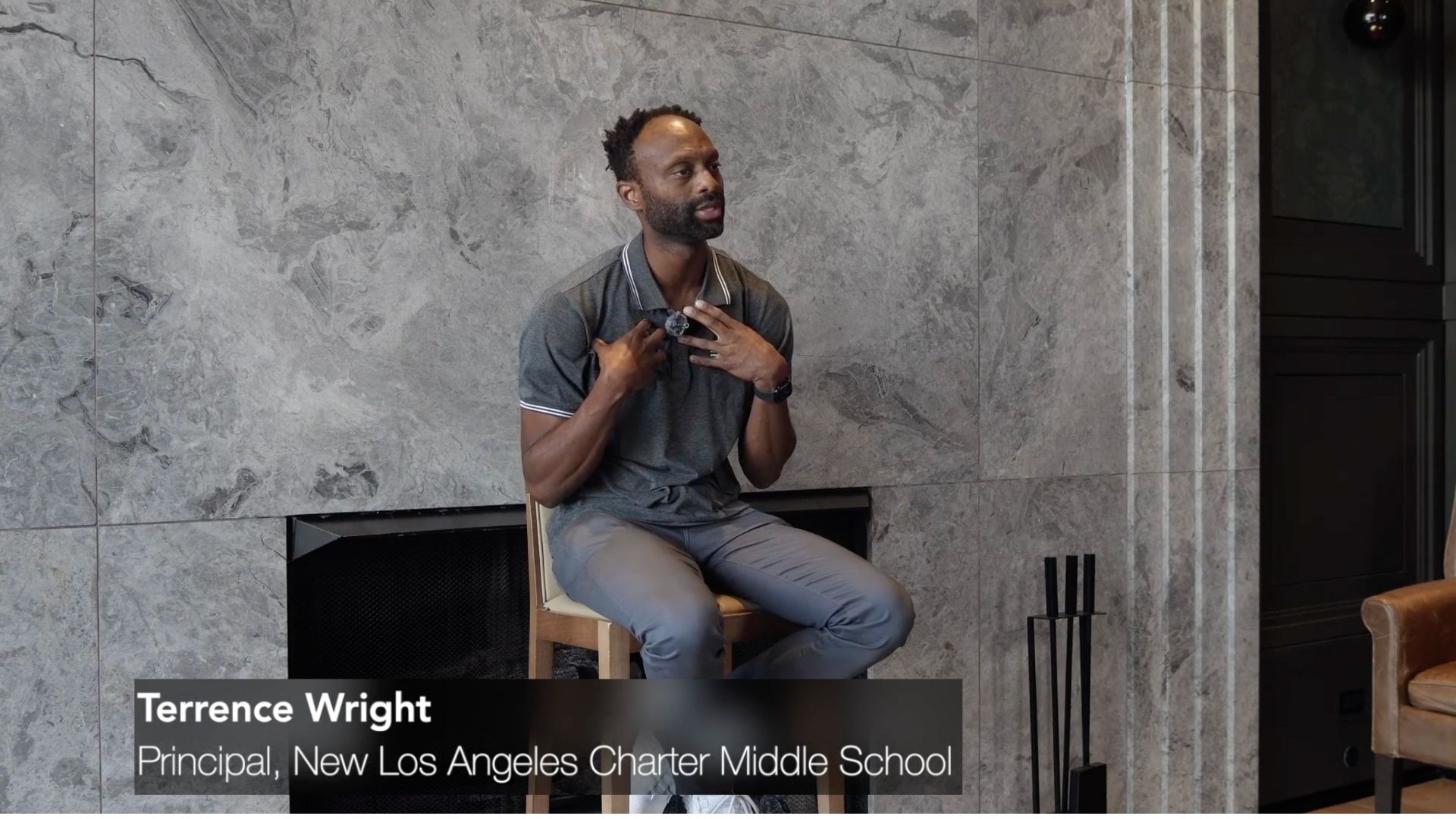
Hear from educators and developers about how their inclusive development practices impacted their work.
Questions to Ask Yourself
What does it look like to build relationships that go beyond feedback collection and become genuine partnerships?
Inclusive design grows from collaborative creation, not just feedback. When communities help shape the vision and design of a project, their lived expertise leads to products that meet real needs. Building the trust needed for this takes time. Consider how you can create spaces for authentic connection, where community members can engage with each other on purposeful topics, at times, and in spaces that work for the community. These efforts often lead to long-term partnerships that extend the benefits beyond the scope of a single project.
How might we combine the technical, educational, and lived experience perspectives on our team?
Co-design is built on humility and respect. Combining different perspectives requires everyone to understand the value of what each person brings to the conversation. An important first step is creating a shared vocabulary. Continuously surface and confirm shared understanding of terms, frameworks, and assumptions that guide your team’s work — developers sharing technical language, educators explaining pedagogical concepts, and students describing their lived experiences. Encourage participants to ask questions and acknowledge when they don’t understand something, and model this behavior as leaders. Revisit and clarify regularly throughout the process.
How might we recognize and address the potential for bias to show up in our design before inequities in our product emerge?
Schedule intentional and periodic time to reflect on your equity goals. Discuss the ways bias already shows up in other products and what action steps the co-design team can take to prevent these. If an inequity emerges, pause the work and commit to rethinking parts of the design.
How do we communicate to collaborators that their input changed the work?
Everyone wants to know their input matters. When community members collaborate, acknowledge their contributions. Not every suggestion will shape the final design, but you can show respect for collaborators’ ideas by explaining why decisions were made. Sharing how input influences the product over time keeps collaborators engaged and strengthens trust.
VOICES FROM THE EF+MATH COMMUNITY
Learn How the Inclusive R&D Process Works
Establishing the Foundation
Explore priority actions, examples, and resources for establishing the foundation of inclusive R&D.
In Research
Explore priority actions, examples, and resources for inclusive research practices.
In Evaluation
Explore priority actions, examples, and resources for inclusive evaluation practices.
