



Priority Actions for Inclusive Evaluation
Develop shared evaluation goals with school community members and build collective understanding of how the study plan achieves those goals
Inclusive evaluation requires shared understanding and goal setting. Bring community members together to learn about evaluation methods and their roles in the process, and to set goals together. Evaluators should present plans transparently and adjust explanations based on feedback. Clear communication from the start establishes trust and partnership.
Adapt measures and plans for data collection to align with school community data interests
School communities have their own data priorities and existing metrics for assessing progress. Work with educators, students, and families to understand their priorities, then adapt measures to capture data that serves both the evaluation study goals and the school community’s interests. Where possible, leverage existing measures to answer evaluation research questions. This dual focus ensures findings will be meaningful and actionable for the members of the school community participating in the evaluation process.
Adjust evaluation study timelines to match school capacity and readiness
Schools face competing demands and unpredictable disruptions. Work with educators to identify realistic data collection windows and adjust when capacity shifts. Flexible timelines demonstrate respect for educators’ realities, and the data will also be more meaningful if you listen to educators about when to implement the study and when to collect data.
Facilitate the collaborative interpretation of data
Create structured opportunities for collaborative sense-making where evaluators, educators, and students examine data or findings together. Educators and students offer crucial lived experience to explain why patterns may have emerged and what the results mean in context. Collective expertise transforms numbers into actionable insight. New research questions for further exploration and analysis can also emerge from this type of collaboration.
Ensure final reports are representative of school community perspectives and accessible to the school community
Share draft reports with school community members to check for accuracy, identify misrepresentations, and flag missing perspectives. Revise findings based on their input to ensure the report reflects their experiences. Provide the final findings in multiple, accessible formats such as complete reports, summaries, infographics, or presentations, and highlight the information most important to the community, so the evaluation becomes a useful community tool.
Build diverse evaluation partnerships that reflect students’ identities and match the school community’s commitments and values
Recruit evaluation partners who reflect the backgrounds and experiences of students in your school community and share the school community’s commitments and values. Evaluation partners with these characteristics will play a critical role in ensuring the evaluation process is inclusive and aligned to equity goals.
Inclusive Evaluation in Practice
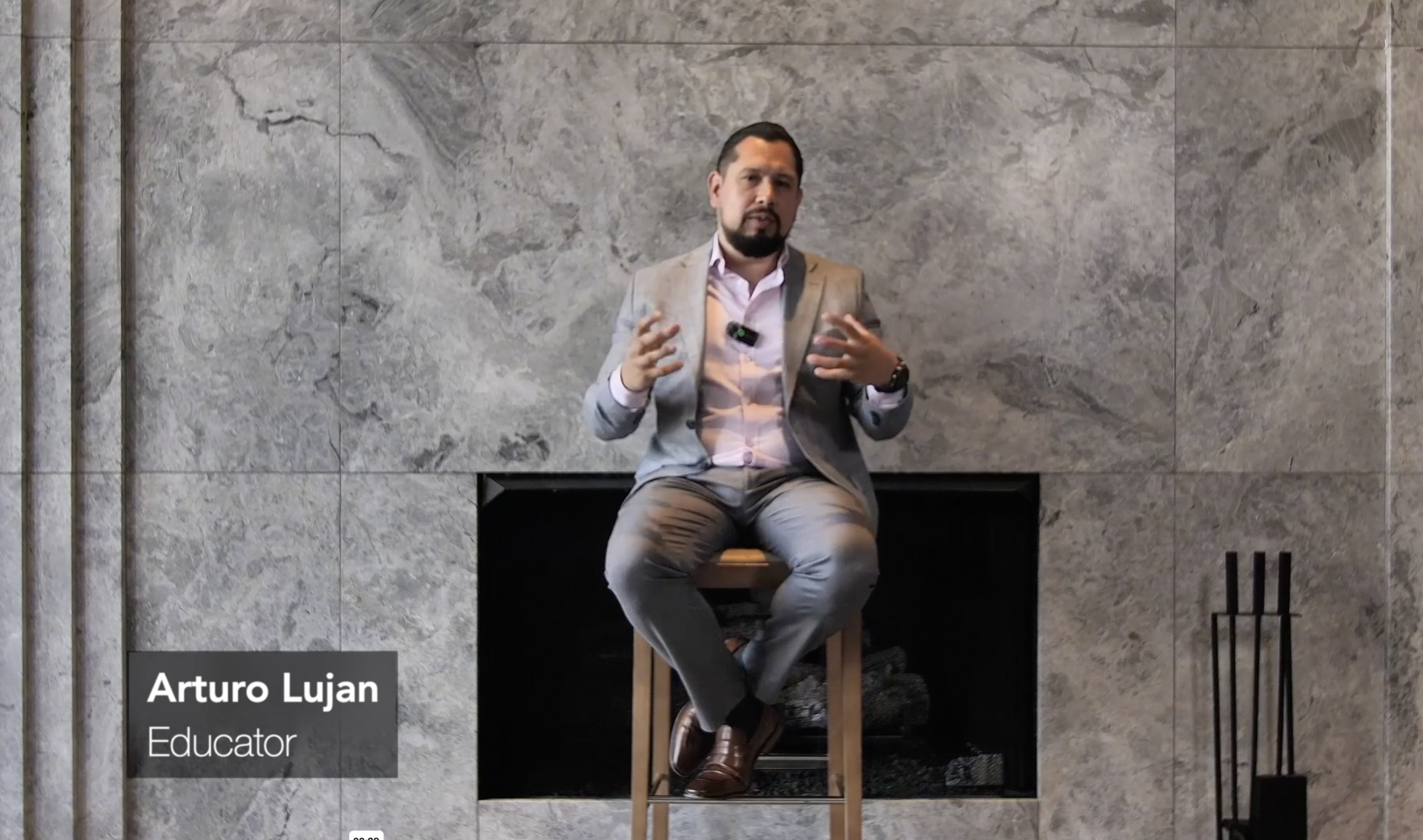
Hear from educators, researchers, and developers about how inclusive evaluation practices impacted their work.
Questions to Ask Yourself
How can we conduct inclusive evaluations while achieving the appropriate level of rigor necessary for the study goal?
Inclusive evaluation expands—not weakens—rigor by integrating multiple forms of evidence and perspectives. When community members help define meaningful outcomes and interpret data, findings gain depth and relevance. Evaluation practices can uphold methodological quality while honoring lived experience and contextual knowledge.
How can we authentically engage community members as partners in the design of an evaluation study while also following district and institutional research study approval requirements?
Often, a partnership with a school system can only begin after district and institutional research approvals have been granted, meaning the design of the research study has already been completed. Consider ways you may engage with individual school community members through an advisory board in advance of the full partnership, or how the original research plan can be revised or built upon. Approach initial district conversations with clarity about which elements of the study must be defined up front and which can be adapted with community input. Designing with thoughtful specificity creates space for revision, allowing community wisdom to meaningfully inform the evaluation while still meeting required review protocols. This balance builds trust, transparency, and shared ownership of the study design.
How might we handle a situation where participants in collaborative interpretation meetings interpret results differently?
Recognize that this situation is a specific benefit of collaborative interpretation! Sense-making together at the beginning of the interpretation process allows for exploration of different experiences, rather than privileging one set of interpretations and then asking for input. When interpretations differ, see it as an opportunity for learning, not a source of conflict. Divergent perspectives reveal the complexity of real experiences and may surface insights that other people haven’t considered. Pause to listen, explore assumptions together, and document multiple interpretations to honor the full story the data tell.
How do we ensure our evaluation process strengthens learning and growth rather than just producing findings?
Inclusive evaluation is more than collecting evidence — it’s a shared process of learning and growth. When evaluators and community members discuss the research plan or interpret data together, they expand their own understanding, and the findings gain context and meaning. Building in time for dialogue and reflection at every stage helps humanize the work, keeping evaluations connected to real classrooms, lived experiences, and collective learning. In this way, evaluation becomes a catalyst for action, not just a report of results.
VOICES FROM THE EF+MATH COMMUNITY
Learn How the Inclusive R&D Process Works
Establishing the Foundation
Explore priority actions, examples, and resources for establishing the foundation of inclusive R&D.
In Research
Explore priority actions, examples, and resources for inclusive research practices.
In Development
Explore priority actions, examples, and resources for inclusive development practices.
